

News
What is a Sanitary Sight Glass? Structure, Types and Applications | Borlan Fluid
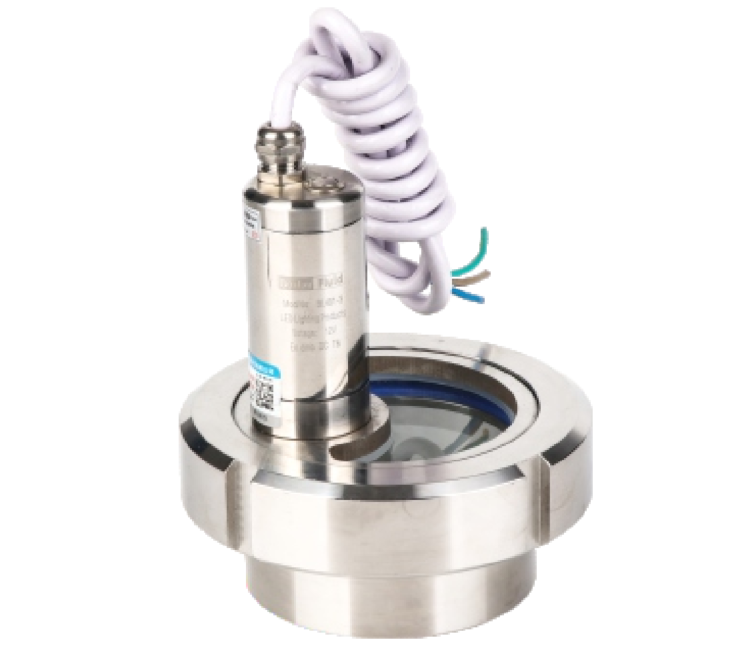
What is a Sanitary Sight Glass?
A sanitary sight glass is a hygienic observation device installed in pipelines, tanks, or processing equipment that allows operators to visually monitor the internal condition of a process without opening the system.
It is widely used in industries where cleanliness, safety, and process visibility are critical, including:
- Pharmaceutical manufacturing
- Food and beverage processing
- Dairy production
- Biotechnology systems
- Chemical processing
By providing a clear visual inspection point, sanitary sight glasses help operators confirm fluid flow, detect contamination, observe mixing conditions, and verify cleaning processes.
At Borlan Fluid, sanitary sight glass products are designed using hygienic stainless steel materials and precision sealing structures to meet the requirements of modern process industries.
Why Are Sanitary Sight Glasses Important?
In sanitary processing systems, operators often need to monitor:
- Liquid flow conditions
- Color or transparency changes
- Presence of bubbles or particles
- Cleaning effectiveness during CIP or SIP processes
Opening the system to check these conditions would introduce contamination risks and interrupt production.
A sanitary sight glass solves this problem by allowing real-time visual inspection while maintaining a closed and sterile system.
This is especially important in pharmaceutical manufacturing where GMP compliance requires strict contamination control.
Basic Structure of a Sanitary Sight Glass
Although designs vary depending on application, most sanitary sight glasses consist of the following main components:
1. Stainless Steel Housing
The housing is typically manufactured from SS304 or SS316L stainless steel, which provides:
- Excellent corrosion resistance
- Hygienic surface finish
- Compatibility with CIP cleaning chemicals
The housing also connects the sight glass to the pipeline or tank.
2. Observation Glass
The transparent window is usually made from:
- Tempered glass
- Borosilicate glass
These materials provide high transparency, strong temperature resistance, and pressure durability.
3. Sealing System
Sanitary sealing materials are used to ensure a leak-free and hygienic connection. Common sealing materials include:
- EPDM
- PTFE
- Silicone
These seals must withstand both process pressure and frequent cleaning cycles.
4. Connection Type
Sanitary sight glasses can connect to systems using several standard hygienic fittings, including:
- Tri-clamp connection
- Flange connection
- Welded connection
- Threaded connection
Each connection type suits different installation environments.
Common Types of Sanitary Sight Glass
Sanitary sight glasses can be classified according to their installation position and structural design.
1. Inline Pipeline Sight Glass
This type is installed directly in pipelines and allows operators to observe the flow of liquids or gases.
Typical uses include:
- Flow verification
- Bubble detection
- CIP cleaning inspection
Inline sight glasses are widely used in dairy and beverage processing lines.
2. Tank Sight Glass
Tank sight glasses are installed on process vessels such as:
- Mixing tanks
- Fermentation tanks
- Storage vessels
- Reactors
They allow operators to monitor internal liquid levels, mixing conditions, or foam formation.
3. Sight Glass with Lighting
Some process environments have poor internal visibility. In such cases, sight glasses can be combined with integrated LED sight lights to illuminate the interior of the vessel.
For example, the BL401-3 sight glass light series from Borlan Fluid supports external 12–24V power supply and high-brightness LED lighting, making it suitable for continuous observation in industrial equipment. 2025年目录册-最终修订版
These solutions are commonly used in:
- Pharmaceutical reactors
- Large mixing vessels
- Biotech fermentation tanks
Materials Used in Sanitary Sight Glass Manufacturing
Material selection is critical for hygienic processing environments.
Stainless Steel
Most sanitary sight glasses are manufactured using:
- SS304
- SS316L
SS316L is generally preferred in pharmaceutical and biotech industries due to its higher corrosion resistance and better compatibility with aggressive cleaning chemicals.
Glass Materials
Two main glass materials are commonly used:
Tempered Glass
- High mechanical strength
- Good impact resistance
- Suitable for general industrial applications
Borosilicate Glass
- Excellent thermal resistance
- High chemical resistance
- Ideal for pharmaceutical and laboratory environments
Applications of Sanitary Sight Glass
Sanitary sight glasses are used across many hygienic processing industries.
Pharmaceutical Industry
In pharmaceutical production, sight glasses help operators monitor:
- Solution mixing
- Filtration processes
- Reaction conditions
They support GMP requirements by enabling inspection without exposing the system to contamination.
Food and Beverage Processing
Food processing systems use sight glasses to observe:
- Product flow in pipelines
- Cleaning conditions during CIP cycles
- Ingredient mixing
Maintaining visual monitoring helps ensure consistent product quality.
Dairy Processing
Dairy plants often rely on sight glasses for:
- Milk transfer monitoring
- Pasteurization system observation
- CIP cleaning verification
Because dairy production requires strict hygiene control, sanitary equipment is essential.
How to Choose the Right Sanitary Sight Glass
Selecting the correct sight glass depends on several technical factors:
1. Working Pressure
The sight glass must withstand the pressure of the processing system.
2. Operating Temperature
High-temperature processes require glass and sealing materials with strong thermal resistance.
3. Cleaning Process
Frequent CIP or SIP cleaning requires materials compatible with cleaning chemicals and temperature cycles.
4. Installation Type
Choose connection types that match your existing system standards.
5. Visibility Requirements
In large vessels or dark environments, sight glasses with integrated lighting can significantly improve visibility.
Why Choose Borlan Fluid Sanitary Sight Glass?
Borlan Fluid specializes in hygienic stainless steel components used in pharmaceutical, food, and biotechnology industries.
Key advantages include:
- Hygienic stainless steel construction
- Precision machining and sealing design
- Multiple connection types available
- Customization options for different equipment
Our products are designed to provide reliable visual monitoring while maintaining strict hygienic standards.
Conclusion
A sanitary sight glass is a simple but essential component in hygienic processing systems. It allows operators to observe internal processes safely while maintaining a sealed and contamination-free environment.
By selecting the correct material, structure, and connection type, sanitary sight glasses can significantly improve operational efficiency, safety, and product quality.