

News
304 vs 316L Stainless Steel Sight Glass: Material Differences and Selection Guide | Borlan Fluid
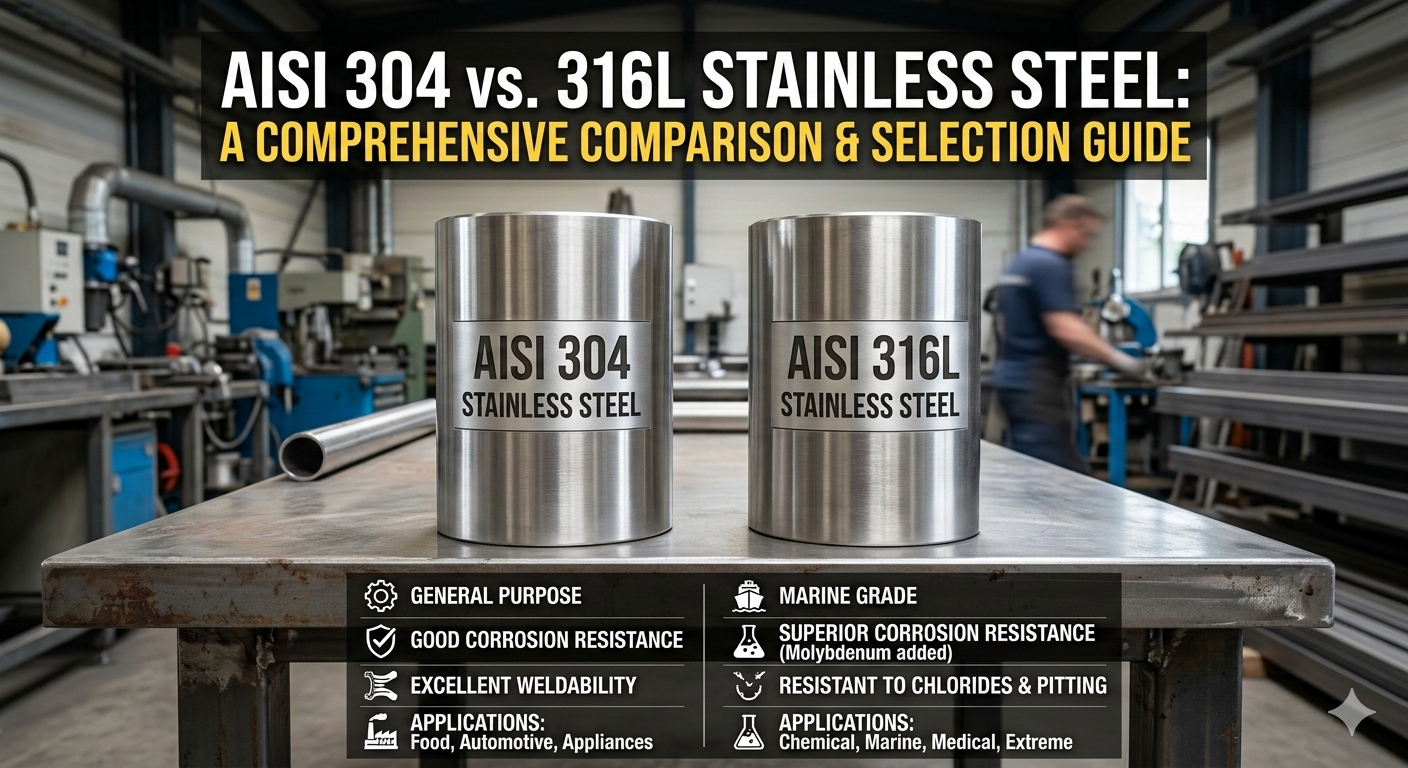
304 vs 316L Stainless Steel Sight Glass: Which One Should You Choose?
Choosing the right material for a sanitary sight glass is critical in hygienic processing systems. Among all options, 304 stainless steel and 316L stainless steel sight glass are the most commonly used materials.
But what are the real differences, and which one is better for your application?
This guide from Borlan Fluid explains everything you need to know.
What is a Stainless Steel Sight Glass?
A stainless steel sight glass is a visual inspection component installed in pipelines or tanks, allowing operators to monitor flow, clarity, and process conditions without opening the system.
The material of the metal body plays a crucial role in:
- Corrosion resistance
- Hygiene compliance
- Service life
- Compatibility with cleaning systems (CIP/SIP)
What is 304 Stainless Steel?
304 stainless steel is the most widely used austenitic stainless steel.
Key Characteristics
- Contains ~18% chromium and 8% nickel
- Good corrosion resistance in general environments
- Cost-effective and widely available
- Easy to process and weld
Typical Applications
304 stainless steel sight glass is suitable for:
- Food processing lines
- Beverage systems
- Low-corrosion environments
- General industrial use
What is 316L Stainless Steel?
316L stainless steel is an upgraded version of 316 stainless steel with lower carbon content.
Key Characteristics
- Contains molybdenum (2–3%)
- Superior corrosion resistance
- Better resistance to chlorides and acids
- Low carbon content reduces risk of intergranular corrosion
Typical Applications
316L stainless steel sight glass is ideal for:
- Pharmaceutical production
- Biotechnology systems
- Dairy processing
- High-purity environments
- CIP/SIP frequent cleaning systems
304 vs 316L Sight Glass: Key Differences
1. Corrosion Resistance
- 304: Suitable for general environments
- 316L: Excellent resistance to chlorides, acids, and aggressive cleaning agents
If your system uses strong cleaning chemicals or operates in corrosive environments, 316L is significantly more reliable.
2. Hygienic Performance
- 304: Meets basic food-grade requirements
- 316L: Preferred for GMP and pharmaceutical standards
316L is widely used where strict hygiene and contamination control are required.
3. Cost Difference
- 304 sight glass: Lower cost
- 316L sight glass: Higher material cost
Typically, 316L costs 20–40% more depending on market conditions.
4. Durability and Service Life
- 304: Adequate for normal conditions
- 316L: Longer service life in harsh environments
Over time, 316L often provides better ROI due to reduced maintenance and replacement frequency.
5. Application Environment
| Application | Recommended Material |
|---|---|
| Beverage / Water | 304 |
| Food Processing | 304 / 316L |
| Dairy | 316L |
| Pharmaceutical | 316L |
| Chemical | 316L |
When Should You Choose 304 Sight Glass?
Choose 304 stainless steel sight glass if:
- Your system operates in a non-corrosive environment
- Budget is a key consideration
- You are working in standard food or beverage processing
- Cleaning chemicals are mild
When Should You Choose 316L Sight Glass?
Choose 316L stainless steel sight glass if:
- You require GMP compliance
- Your system uses CIP/SIP cleaning
- There is exposure to chlorides or acids
- Long-term durability is critical
- You operate in pharmaceutical or biotech industries
304 vs 316L: Which One is Better?
There is no absolute “better” material — only the right choice for your application.
- For cost-sensitive, low-corrosion environments → 304
- For high hygiene, high corrosion resistance → 316L
In most high-end industrial applications, especially pharmaceutical systems, 316L is the preferred standard.
Why Choose Borlan Fluid Sight Glass?
Borlan Fluid provides both 304 and 316L sanitary sight glass solutions designed for hygienic industries.
Key advantages:
- Precision-machined stainless steel construction
- Hygienic surface finish (Ra ≤ 0.8 μm available)
- Multiple connection types (clamp, flange, welded)
- Compatible with CIP/SIP systems
- Customization support for global projects
Our sight glass solutions are widely used in pharmaceutical, dairy, and food processing systems.
Conclusion
The choice between 304 vs 316L stainless steel sight glass depends on your process requirements, budget, and operating environment.
Understanding the differences in corrosion resistance, hygiene standards, and long-term performance will help you make the right decision.
If you are unsure which material suits your system, Borlan Fluid can provide technical support and customized solutions.